What to Expect in a Ventura County Home Inspection (and What's Actually a Deal-Breaker)
After 100+ transactions, I can tell you which inspection findings matter and which are just scary-sounding paperwork. Here's how to read your report.

Jason Walters
The inspection report is the most stressful document of any home purchase. Fifty pages of red and yellow flags, photos of things that "could be a concern," and no clear sense of what's a crisis vs what's cosmetic. Here's how I help my buyers triage it — Ventura County specifically.
What does a Ventura County home inspection actually cost?
Baseline general inspection: $500–$800 for a typical single-family home under 2,500 sqft. Specialty add-ons you'll usually want: roof inspection ($150–$250), chimney inspection ($150) if there's a fireplace, sewer lateral camera ($250–$400), and on older homes a termite/wood-destroying-organisms report ($100–$200).
Total on a typical older Ventura home: $1,100–$1,600. Worth every dollar.
Who inspects what?
- General inspector: everything visible — roof from ladder, attic if accessible, crawl space if accessible, plumbing fixtures, electrical panel, major appliances, HVAC operation.
- Termite inspector: wood-destroying organisms, typically subterranean termites and dry-rot fungus. California requires a separate WDO report.
- Sewer scope: camera down the main line from the house to the street. Ventura County has many older homes with clay or Orangeburg sewer lines that are on borrowed time.
- Pool / spa specialist if applicable — $150–$250.
The five findings that matter most in Ventura County specifically
1. Roof age and condition
Standard composition shingle in Ventura County lasts 18–22 years — our sun is harsh even with marine layer. If the inspector says "roof is near end of useful life," that's a real number you need to factor in. A full re-roof runs $12,000–$25,000 depending on size and material. Negotiate it.
2. Foundation — especially hillside and older coastal homes
Hillside homes in Ventura, Ojai, and parts of Thousand Oaks have soil-movement risks. Coastal homes in Oxnard and Port Hueneme can have minor settlement from sandy soil. Cracks under 1/4" running vertically are usually cosmetic; horizontal cracks, stair-step cracks in brick, or cracks wider than 1/4" deserve a structural engineer's opinion ($400–$800) before you proceed.
3. Termites and dry-rot
Ventura County's humid coastal climate plus older wood-framed homes plus year-round mild temperatures = termites are endemic. Section 1 findings (active infestation or conducive conditions) have to be addressed; Section 2 (repairs that could become issues) are negotiable. Don't panic if you see termite findings — you almost always do on homes over 30 years old here. Just get a reputable company's bid and negotiate the cost.
4. Electrical panel
If the home has a Federal Pacific Stab-Lok panel or a Zinsco panel, treat it as a must-replace. Both have documented fire risks and most insurance carriers in Ventura County will refuse to underwrite or will significantly hike your premium. Replacement is $3,000–$6,000. This is one of the most common unexpected costs on 1960s–1970s Ventura, Oxnard, and older Simi Valley homes.
5. Main sewer line
A clay or Orangeburg sewer line nearing the end of its life is the repair most buyers don't see coming. Camera the main line. If the scope shows breaks, root intrusion, or collapsed sections, a full replacement can run $8,000–$25,000 depending on length and city permit requirements. In Ventura's older tracts, this is extremely common — budget for it or negotiate it.
What's scary-sounding but usually fine?
The report will flag a lot of things that look terrifying but are routine. A seasoned inspector notes these conservatively to cover themselves.
- "GFCI outlet not detected in kitchen." Often means an older but functional outlet. $15 fix.
- "Efflorescence observed on foundation." Harmless mineral deposits from moisture. Worth understanding the source but rarely structural.
- "Roof has moss." Solvable with a cleaning and zinc strip. Doesn't mean the roof is bad.
- "Some rust on water heater." Normal surface rust is nothing. Rust in the burn chamber is different.
- "Minor stains in attic." If the roof is sound now and there's no ongoing moisture, old stains are just old stains.
How to use the report in negotiation
California's standard Residential Purchase Agreement gives buyers a physical inspection contingency — typically 17 days — during which you can request repairs, credits, or back out without penalty.
My rule with clients: rank findings in three tiers.
- Deal-breakers. Issues over $5,000 that weren't disclosed. Foundation, roof, sewer. Request real repair or real credit.
- Negotiables. $1,000–$5,000 issues. Request credits; sellers in Ventura County rarely do actual repairs before close — credits are cleaner for both sides.
- Cosmetic / maintenance. Under $1,000. Expected in any home. Fix yourself after close. Don't waste negotiation capital here.
When should I walk away?
- Multiple deal-breaker items stacking up (roof + foundation + sewer — full overhaul expensive to the point that you're better off looking elsewhere).
- Seller refuses to credit or repair anything material on a major finding in a balanced market.
- Findings make it uninsurable (FPE panel + no replacement willingness + in a fire zone = good luck getting a policy).
- Something shows up that simply changes what you bought — major unpermitted additions, structural work done without permit, etc.
My biggest piece of advice
Read the report with your agent on the phone or sitting next to you. Walk through each finding. An experienced Ventura County agent has seen these exact issues 50+ times and can tell you "that's a $400 fix" or "call a structural engineer right now." Inspection reports are deliberately alarming documents; context is everything.
If you're in escrow and the report just landed and you're overwhelmed — forward it to me. I'll read it end-to-end and tell you what to actually worry about, even if you're not my client. This is the most stressful week of the whole process; nobody should navigate it alone.
Related: if you're earlier in the process, my first-time buyer neighborhood guide covers where to start looking, and the property tax guide covers the biggest recurring cost most buyers under-plan for.
More from Ventura County Local
One email a week. Handpicked local events, new guides like this, and the neighborhood finds. Free. Unsubscribe in one click.

Keep reading
You might also like
Guides
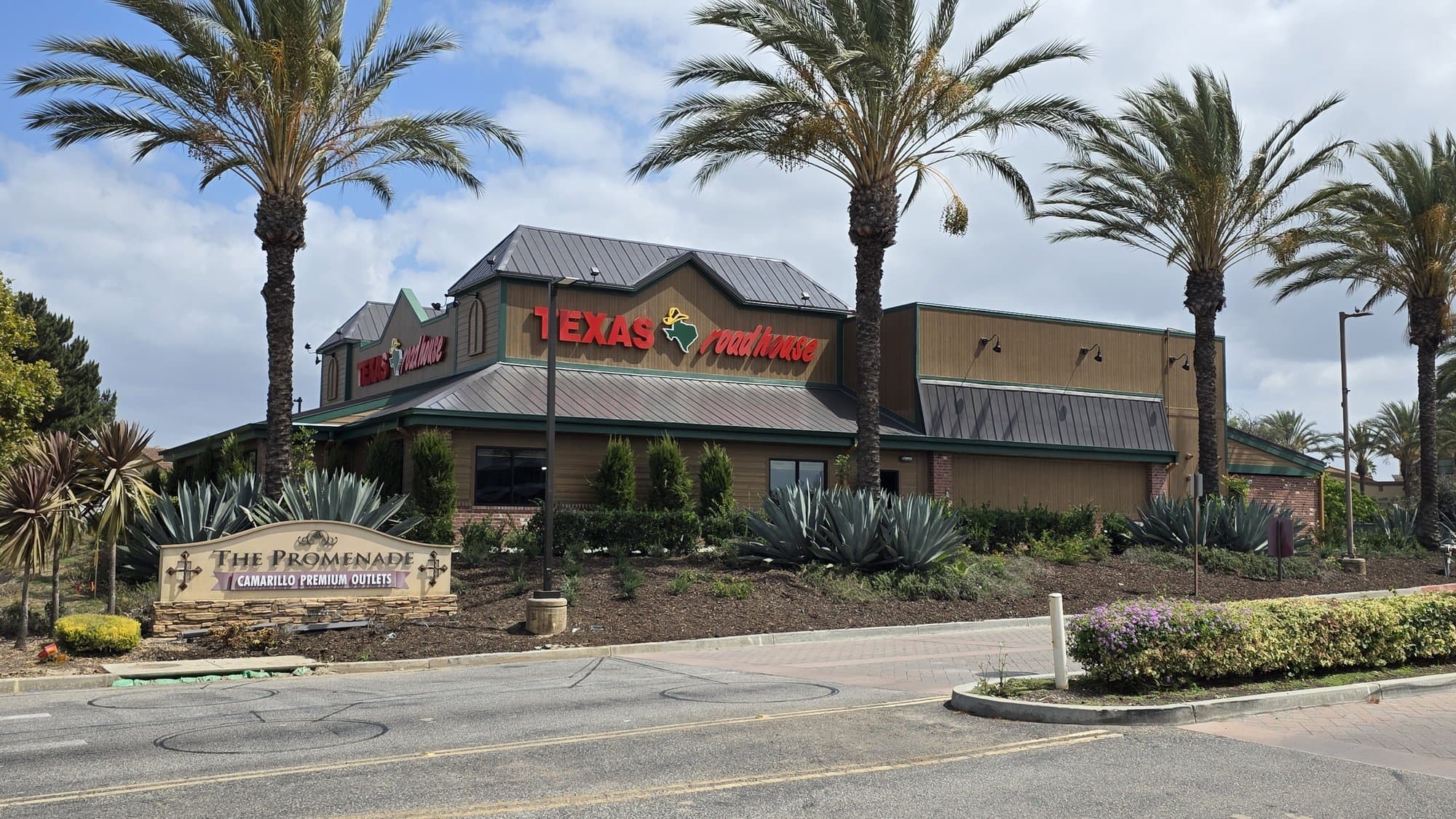
Texas Roadhouse Camarillo Opens Oct. 19: Hours and Address
Texas Roadhouse opens its first Ventura County restaurant on Monday, October 19, 2026 at 650 E. Ventura Blvd in Camarillo. Hours, waitlist tips and more.

Guides
Halloween 2026 in Ventura County by Age: Toddlers to Grown-Ups
Where to take a toddler, a grade-schooler, a teenager, or yourself for Halloween 2026 in Ventura County, with the dates, age limits, and prices that matter for each.
Guides
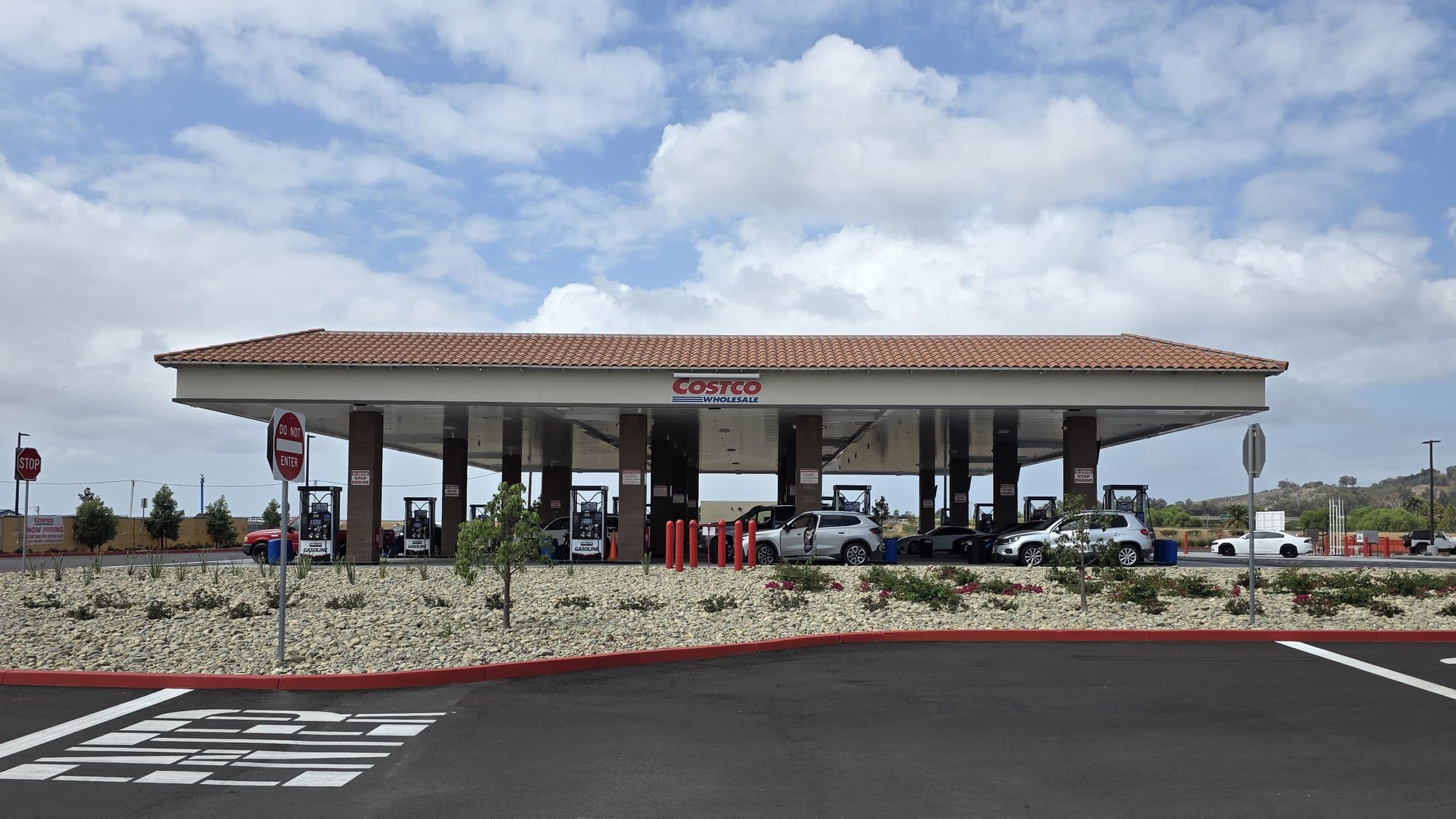
Camarillo Costco Opens October 30: Hours, Gas and Car Wash
Costco lists October 30, 2026 as the opening date for its Camarillo warehouse at 431 W. Ventura Blvd. The gas station has been open since May 1.